Buy eenhartvoorhingene.be ?
We are moving the project
eenhartvoorhingene.be .
Are you interested in purchasing the domain
eenhartvoorhingene.be ?
domain@kv-gmbh.de · 0541-91531010
Buy eenhartvoorhingene.be ?
What is an interrogative pronoun?
An interrogative pronoun is a pronoun used to ask questions. These pronouns include words like "who," "whom," "whose," "what," "which," and "whose." They are used to inquire about people, things, or qualities. Interrogative pronouns are essential for forming questions and seeking information in a sentence. **
What are interrogative pronouns in German?
Interrogative pronouns in German are used to ask questions and gather information. They include pronouns such as "wer" (who), "was" (what), "wo" (where), "wann" (when), "warum" (why), and "wie" (how). These pronouns are used at the beginning of a question to inquire about specific details or seek clarification. Interrogative pronouns play a crucial role in forming questions in the German language. **


Similar search terms for Interrogative
Top-Angebote
Products related to Interrogative:
-
Lobey Body Care Back Acne Spray soin local anti-acné corps 150 mlLobey Body Care Back Acne Spray, 150 ml, Sprays corporels nourrissants pour femme, Le produit : accélère la régénération rafraîchit et apporte une agréable sensation de propreté sent bon protège la peau du corps Mode d’emploi : Vaporisez directement sur la peau.16,50 €*Shipping: 3,45 €Secure redirect to the provider
-
Rio Carbon Theory Salicylic Acid Hypa Dry soin local anti-acné 30 mlCarbon Theory Salicylic Acid Hypa Dry, 30 ml, soin local pour femme, Vous sentez que certaines parties de votre visage nécessitent des soins ciblés plus intenses car les crèmes et sérums de votre routine ne suffisent pas ? Les soins locaux Carbon Theory Salicylic Acid Hypa Dry prennent soin de ces zones à problèmes. Grâce à une formule concentrée à haute teneur en substances actives, leurs effets sur la peau seront plusieurs fois plus efficaces et plus rapides qu'avec des soins ordinaires. Le produit : traite localement les peaux à problèmes améliore visiblement l’état de la peau réduit les rougeurs limite les symptômes liés à d’acné réduit les imperfections de la peau Composition du produit : produit végétalien Mode d’emploi : Appliquez une quantité de soin suffisante sur les zones à problèmes et laissez agir.9,81 €*Shipping: 3,45 €Secure redirect to the provider
-
vidaXL Support à haltèresCe porte-haltères est conçu pour garder les poids libres et les haltères organisés et hors sol. Il convient à la plupart des tailles et des styles d'haltères, y compris le néoprène et la fonte. Le cadre stable et les deux étagères vous aideront à maintenir un environnement de gym à domicile plus propre en fournissant un endroit pour garder vos haltères lorsqu'ils ne sont pas utilisés. Il est fait d'acier robuste pour des années d'utilisation. La base antidérapante en caoutchouc aide à protéger les sols des dommages et assure la stabilité et la sécurité optimale. Ce support avec sa construction robuste a une capacité max de charge de 300 kg. Il convient aussi à presque toutes les longueurs de haltère . Il mesure 49 x 100 x 95 cm une fois entièrement assemblé.137,99 €*Shipping: 0,00 €Secure redirect to the provider
-
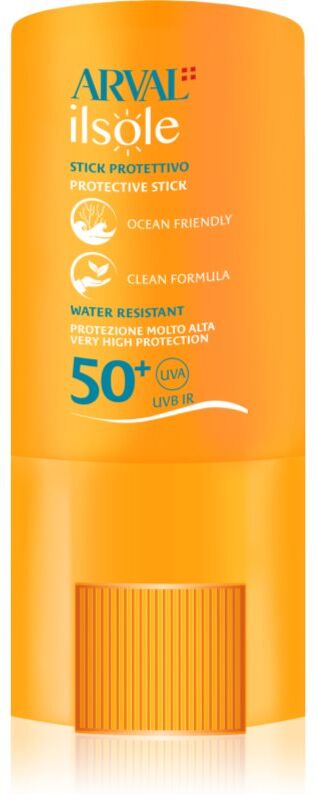
Arval IlSole Protective Stick SPF 50+ soin local protection solaire SPF 50+ 9 mlArval IlSole Protective Stick SPF 50+, 9 ml, Protection contre le rayonnement solaire pour femme, Le produit : protège la peau contre les rayons UVA et UVB résiste à l’eau12,50 €*Shipping: 3,45 €Secure redirect to the provider


-
What is the difference between relative pronouns and interrogative pronouns?
Relative pronouns are used to connect a dependent clause to an independent clause, providing more information about a noun in the independent clause. They include words like "who," "which," and "that." Interrogative pronouns, on the other hand, are used to ask questions and gather information. They include words like "who," "what," "which," "whom," and "whose." The main difference between the two is their function in a sentence - relative pronouns connect clauses, while interrogative pronouns are used to ask questions. **
-
Is there an interrogative word without a w at the beginning?
Yes, there is an interrogative word without a "w" at the beginning. The word "how" is an interrogative word that does not start with a "w." It is used to ask about the manner or method in which something is done. **
-
Is an interrogative sentence a main clause or a subordinate clause?
An interrogative sentence is a main clause. It is a complete sentence that can stand alone and expresses a question. It does not depend on any other clause to make sense and is therefore considered a main clause. **
-
Which interrogative pronoun are you referring to when you mention the attribute?
When mentioning the attribute, I am referring to the interrogative pronoun "which." This pronoun is used to inquire about a specific choice or selection from a group of options. It helps to narrow down the possibilities and identify a particular item or characteristic. **

How do I recognize a relative clause, a conjunctional clause, and an interrogative clause?
A relative clause typically starts with a relative pronoun (such as who, whom, whose, which, or that) and provides more information about a noun in the main clause. A conjunctional clause, on the other hand, is introduced by a conjunction (such as and, but, or because) and connects two independent clauses. An interrogative clause is a type of clause that asks a question and is typically introduced by an interrogative pronoun (such as who, what, when, where, why, or how) or an interrogative adverb (such as how, when, or where). **
How can I recognize a relative clause, a conjunctional clause, and an interrogative clause?
A relative clause is a type of dependent clause that typically starts with a relative pronoun (such as who, whom, whose, which, or that) and provides additional information about a noun in the main clause. A conjunctional clause, on the other hand, is a dependent clause that functions as an adverb, adjective, or noun in a sentence and is connected to the main clause by a conjunction (such as because, although, if, when, etc.). An interrogative clause is a type of clause that asks a question and typically begins with a question word (such as who, what, where, when, why, or how) or with a helping verb followed by the subject. **
Top-Angebote
Products related to Interrogative:
-
Synchroline Aknicare SR soin local anti-acné roll-on 5 mlSynchroline Aknicare SR, 5 ml, soin local pour femme, Vous sentez que certaines parties de votre visage nécessitent des soins ciblés plus intenses car les crèmes et sérums de votre routine ne suffisent pas ? Les soins locaux Synchroline Aknicare SR prennent soin de ces zones à problèmes. Grâce à une formule concentrée à haute teneur en substances actives, leurs effets sur la peau seront plusieurs fois plus efficaces et plus rapides qu'avec des soins ordinaires. Le produit : élimine les manifestations d’acné a des effets régénérateurs minimise la production excessive de sébum cutané Composition du produit : acide salicylique – nettoie en profondeur, nettoie les pores obstrués et prévient la formation des points noirs, aide à exfolier les peaux mortes et à éliminer l'excès de sébum Mode d’emploi : Appliquez une quantité de soin suffisante sur les zones à problèmes et laissez agir.14,50 €*Shipping: 3,45 €Secure redirect to the provider
-
Lobey Body Care Back Acne Spray soin local anti-acné corps 150 mlLobey Body Care Back Acne Spray, 150 ml, Sprays corporels nourrissants pour femme, Le produit : accélère la régénération rafraîchit et apporte une agréable sensation de propreté sent bon protège la peau du corps Mode d’emploi : Vaporisez directement sur la peau.16,50 €*Shipping: 3,45 €Secure redirect to the provider
-
Rio Carbon Theory Salicylic Acid Hypa Dry soin local anti-acné 30 mlCarbon Theory Salicylic Acid Hypa Dry, 30 ml, soin local pour femme, Vous sentez que certaines parties de votre visage nécessitent des soins ciblés plus intenses car les crèmes et sérums de votre routine ne suffisent pas ? Les soins locaux Carbon Theory Salicylic Acid Hypa Dry prennent soin de ces zones à problèmes. Grâce à une formule concentrée à haute teneur en substances actives, leurs effets sur la peau seront plusieurs fois plus efficaces et plus rapides qu'avec des soins ordinaires. Le produit : traite localement les peaux à problèmes améliore visiblement l’état de la peau réduit les rougeurs limite les symptômes liés à d’acné réduit les imperfections de la peau Composition du produit : produit végétalien Mode d’emploi : Appliquez une quantité de soin suffisante sur les zones à problèmes et laissez agir.9,81 €*Shipping: 3,45 €Secure redirect to the provider
-
What is an interrogative pronoun?
An interrogative pronoun is a pronoun used to ask questions. These pronouns include words like "who," "whom," "whose," "what," "which," and "whose." They are used to inquire about people, things, or qualities. Interrogative pronouns are essential for forming questions and seeking information in a sentence. **
-
What are interrogative pronouns in German?
Interrogative pronouns in German are used to ask questions and gather information. They include pronouns such as "wer" (who), "was" (what), "wo" (where), "wann" (when), "warum" (why), and "wie" (how). These pronouns are used at the beginning of a question to inquire about specific details or seek clarification. Interrogative pronouns play a crucial role in forming questions in the German language. **
-
What is the difference between relative pronouns and interrogative pronouns?
Relative pronouns are used to connect a dependent clause to an independent clause, providing more information about a noun in the independent clause. They include words like "who," "which," and "that." Interrogative pronouns, on the other hand, are used to ask questions and gather information. They include words like "who," "what," "which," "whom," and "whose." The main difference between the two is their function in a sentence - relative pronouns connect clauses, while interrogative pronouns are used to ask questions. **
-
Is there an interrogative word without a w at the beginning?
Yes, there is an interrogative word without a "w" at the beginning. The word "how" is an interrogative word that does not start with a "w." It is used to ask about the manner or method in which something is done. **
Similar search terms for Interrogative
-
vidaXL Support à haltèresCe porte-haltères est conçu pour garder les poids libres et les haltères organisés et hors sol. Il convient à la plupart des tailles et des styles d'haltères, y compris le néoprène et la fonte. Le cadre stable et les deux étagères vous aideront à maintenir un environnement de gym à domicile plus propre en fournissant un endroit pour garder vos haltères lorsqu'ils ne sont pas utilisés. Il est fait d'acier robuste pour des années d'utilisation. La base antidérapante en caoutchouc aide à protéger les sols des dommages et assure la stabilité et la sécurité optimale. Ce support avec sa construction robuste a une capacité max de charge de 300 kg. Il convient aussi à presque toutes les longueurs de haltère . Il mesure 49 x 100 x 95 cm une fois entièrement assemblé.137,99 €*Shipping: 0,00 €Secure redirect to the provider
-
Arval IlSole Protective Stick SPF 50+ soin local protection solaire SPF 50+ 9 mlArval IlSole Protective Stick SPF 50+, 9 ml, Protection contre le rayonnement solaire pour femme, Le produit : protège la peau contre les rayons UVA et UVB résiste à l’eau12,50 €*Shipping: 3,45 €Secure redirect to the provider
-
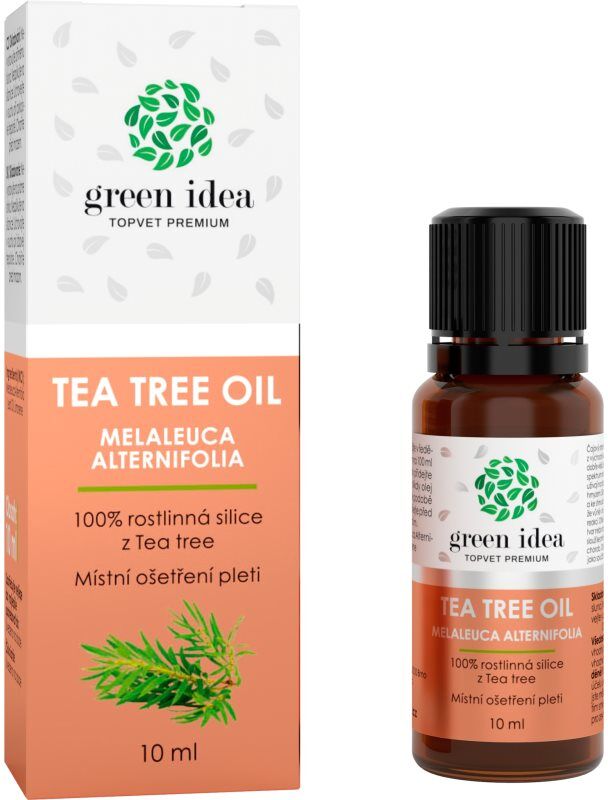
Green Idea Tea Tree Oil huile essentielle 100% pure pour traitement local 10 mlGreen Idea Tea Tree Oil, 10 ml, Huiles essentielles pour femme, Vous sentez que votre visage a besoin de plus que ce que peut offrir une crème ? L'huile pour le visage Green Idea Tea Tree Oil constitue un excellent complément à votre routine de soins. Elle apporte à la peau une bonne dose de nutriments, tout en l’adoucissant. Le produit : embellit et lisse les imperfections s’absorbe rapidement et ne laisse pas la sensation de gras Mode d’emploi : Utilisez à tout moment de la journée selon les besoins. Appliquez une petite quantité de produit sur la zone touchée et attendez que le produit soit absorbé.4,65 €*Shipping: 3,45 €Secure redirect to the provider
-
AM.PM Support pour bûche MERLINComme un objet de décoration, le support bûche Merlin apporte de la hauteur et du cachet à votre bûche.Description • Fer finition peinture poudre époxy polyester coloris noir mat • À savoir, le support de bûche en taille S est adapté pour les bûches tailles S et M • Le support de bûche taille L correspond bien à une bûche taille L • La bûche est vendue séparément sur notre site Dimensions Taille S • Largeur : 28 cm • Hauteur : 26 cm • Profondeur : 28 cm Taille L • Largeur : 33 cm • Hauteur : 30 cm • Profondeur : 33 cm Hauteur pied : 8 cm Fiche produit relative aux qualités et caractéristiques environnementales • Produit totalement recyclable. Dimensions et poids des colis 1 colis S • L40 x H34 x P37 cm, 3,5 kg L • L45 x H38 x P42 cm, 4,3 kg41,30 €*Shipping: 3,99 €Secure redirect to the provider
-
Is an interrogative sentence a main clause or a subordinate clause?
An interrogative sentence is a main clause. It is a complete sentence that can stand alone and expresses a question. It does not depend on any other clause to make sense and is therefore considered a main clause. **
-
Which interrogative pronoun are you referring to when you mention the attribute?
When mentioning the attribute, I am referring to the interrogative pronoun "which." This pronoun is used to inquire about a specific choice or selection from a group of options. It helps to narrow down the possibilities and identify a particular item or characteristic. **
-
How do I recognize a relative clause, a conjunctional clause, and an interrogative clause?
A relative clause typically starts with a relative pronoun (such as who, whom, whose, which, or that) and provides more information about a noun in the main clause. A conjunctional clause, on the other hand, is introduced by a conjunction (such as and, but, or because) and connects two independent clauses. An interrogative clause is a type of clause that asks a question and is typically introduced by an interrogative pronoun (such as who, what, when, where, why, or how) or an interrogative adverb (such as how, when, or where). **
-
How can I recognize a relative clause, a conjunctional clause, and an interrogative clause?
A relative clause is a type of dependent clause that typically starts with a relative pronoun (such as who, whom, whose, which, or that) and provides additional information about a noun in the main clause. A conjunctional clause, on the other hand, is a dependent clause that functions as an adverb, adjective, or noun in a sentence and is connected to the main clause by a conjunction (such as because, although, if, when, etc.). An interrogative clause is a type of clause that asks a question and typically begins with a question word (such as who, what, where, when, why, or how) or with a helping verb followed by the subject. **
* All prices are inclusive of VAT and, if applicable, plus shipping costs. The offer information is based on the details provided by the respective shop and is updated through automated processes. Real-time updates do not occur, so deviations can occur in individual cases. ** Note: Parts of this content were created by AI.