Buy eenhartvoorhingene.be ?
We are moving the project
eenhartvoorhingene.be .
Are you interested in purchasing the domain
eenhartvoorhingene.be ?
domain@kv-gmbh.de · 0541-91531010
Buy eenhartvoorhingene.be ?
Is ammonia polyprotic or monoprotic?
Ammonia is a monoprotic base, meaning it can donate only one proton (H+) in a chemical reaction. This is because ammonia has only one nitrogen atom that can accept a proton to form the ammonium ion (NH4+). Therefore, ammonia is considered monoprotic. **
What are monoprotic and polyprotic acids?
Monoprotic acids are acids that can donate only one proton (hydrogen ion) per molecule when they dissociate in water. Examples include hydrochloric acid (HCl) and acetic acid (CH3COOH). Polyprotic acids, on the other hand, are acids that can donate more than one proton per molecule when they dissociate in water. Examples include sulfuric acid (H2SO4) and phosphoric acid (H3PO4). **

Similar search terms for Polyprotic
Top-Angebote
Products related to Polyprotic:
-
Synchroline Aknicare SR soin local anti-acné roll-on 5 mlSynchroline Aknicare SR, 5 ml, soin local pour femme, Vous sentez que certaines parties de votre visage nécessitent des soins ciblés plus intenses car les crèmes et sérums de votre routine ne suffisent pas ? Les soins locaux Synchroline Aknicare SR prennent soin de ces zones à problèmes. Grâce à une formule concentrée à haute teneur en substances actives, leurs effets sur la peau seront plusieurs fois plus efficaces et plus rapides qu'avec des soins ordinaires. Le produit : élimine les manifestations d’acné a des effets régénérateurs minimise la production excessive de sébum cutané Composition du produit : acide salicylique – nettoie en profondeur, nettoie les pores obstrués et prévient la formation des points noirs, aide à exfolier les peaux mortes et à éliminer l'excès de sébum Mode d’emploi : Appliquez une quantité de soin suffisante sur les zones à problèmes et laissez agir.14,50 €*Shipping: 3,45 €Secure redirect to the provider
-
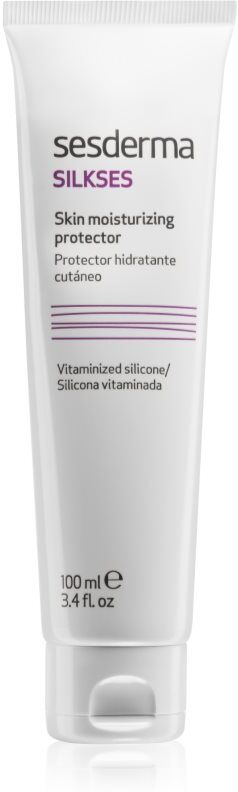
Sesderma Silkses crème hydratante protectrice effet rénovateur pour traitement local 100 mlSesderma Silkses, 100 ml, soin local pour femme, Mode d’emploi : Appliquez sur la peau préalablement nettoyée et massez en faisant des mouvements circulaires. Utilisez matin et/ou soir.27,00 €*Shipping: 3,45 €Secure redirect to the provider
-
Sisley Intensive Dark Spot Corrector soin local anti-taches pigmentaires 7 mlSisley Intensive Dark Spot Corrector, 7 ml, Produits pour le buste et le décolleté pour femme, Vous sentez que votre visage a besoin de plus que ce que peut offrir une crème ? Le sérum pour le visage Sisley Intensive Dark Spot Corrector constitue un excellent complément à votre routine en lui procurant des soins intenses. Grâce à sa forte concentration en substances actives, ses effets sur la peau sont sensiblement plus visibles et plus rapides que ceux d'une crème pour le visage. De plus, sa texture liquide, très bien absorbée par la peau, facilite l’application. Le produit : unifie la teinte du visage aide à supprimer les signes de vieillissement cutané Mode d’emploi : Tapotez du bout des doigts pour faire pénétrer le sérum dans la peau propre. Appliquez sur le visage, le cou et le décolleté.130,00 €*Shipping: 3,45 €Secure redirect to the provider
-
Rio Carbon Theory Salicylic Acid Hypa Dry soin local anti-acné 30 mlCarbon Theory Salicylic Acid Hypa Dry, 30 ml, soin local pour femme, Vous sentez que certaines parties de votre visage nécessitent des soins ciblés plus intenses car les crèmes et sérums de votre routine ne suffisent pas ? Les soins locaux Carbon Theory Salicylic Acid Hypa Dry prennent soin de ces zones à problèmes. Grâce à une formule concentrée à haute teneur en substances actives, leurs effets sur la peau seront plusieurs fois plus efficaces et plus rapides qu'avec des soins ordinaires. Le produit : traite localement les peaux à problèmes améliore visiblement l’état de la peau réduit les rougeurs limite les symptômes liés à d’acné réduit les imperfections de la peau Composition du produit : produit végétalien Mode d’emploi : Appliquez une quantité de soin suffisante sur les zones à problèmes et laissez agir.11,60 €*Shipping: 3,45 €Secure redirect to the provider



-
How do I recognize a mono- or polyprotic acid?
A monoprotic acid is an acid that can donate only one proton (hydrogen ion) per molecule, such as hydrochloric acid (HCl) or acetic acid (CH3COOH). On the other hand, a polyprotic acid is an acid that can donate more than one proton per molecule, such as sulfuric acid (H2SO4) or phosphoric acid (H3PO4). One way to recognize a polyprotic acid is by looking at the chemical formula and identifying the presence of multiple hydrogen atoms that can potentially be donated as protons. Additionally, the acid's name may also provide a clue, as polyprotic acids often have prefixes such as di- or tri- to indicate the number of protons that can be donated. **
-
Why is the second dissociation stage weaker in polyprotic acids?
The second dissociation stage is weaker in polyprotic acids because after the first proton is removed, the remaining ion has a higher negative charge, making it more difficult to remove the second proton. This increased negative charge leads to stronger electrostatic attraction between the remaining ion and the proton, making it harder for the second proton to dissociate. Additionally, the second dissociation occurs at a lower pH, where the concentration of H+ ions is lower, further reducing the likelihood of the second dissociation. Overall, these factors contribute to the weaker second dissociation stage in polyprotic acids. **
-
How can I tell if an acid is monoprotic or polyprotic?
You can determine if an acid is monoprotic or polyprotic by looking at its chemical formula. If the formula contains only one hydrogen ion (H+), then the acid is monoprotic. However, if the formula contains more than one hydrogen ion, then the acid is polyprotic. Additionally, you can also look at the acid's chemical structure and its ability to donate multiple hydrogen ions to determine if it is polyprotic. **
-
Can someone explain the meaning of monoprotic and polyprotic to me?
Sure! Monoprotic and polyprotic refer to the number of protons that can be donated by an acid. Monoprotic acids can donate one proton, while polyprotic acids can donate more than one proton. For example, hydrochloric acid (HCl) is monoprotic because it can donate one proton, while sulfuric acid (H2SO4) is polyprotic because it can donate two protons. This distinction is important in understanding the behavior and properties of different acids in chemical reactions. **

How can the concentration of a polyprotic acid be determined by titration?
The concentration of a polyprotic acid can be determined by titration using a strong base. Since polyprotic acids can donate multiple protons, the titration curve will have multiple equivalence points, corresponding to the different dissociation steps of the acid. By monitoring the pH during the titration, the inflection points on the curve can be used to calculate the concentration of the acid. The volume of the base required to reach each equivalence point can also be used to determine the molar concentration of the acid. **
How do you calculate the concentration of a polyprotic acid through titration?
To calculate the concentration of a polyprotic acid through titration, you would first need to determine the equivalence point of the titration by using an indicator or a pH meter. Then, you would use the volume of titrant (such as a strong base) needed to reach the equivalence point and the known molarity of the titrant to calculate the moles of acid present. Since polyprotic acids can donate multiple protons, you would need to consider the number of moles of protons donated by the acid and the stoichiometry of the acid-base reaction to calculate the concentration of the polyprotic acid. **
Top-Angebote
Products related to Polyprotic:
-
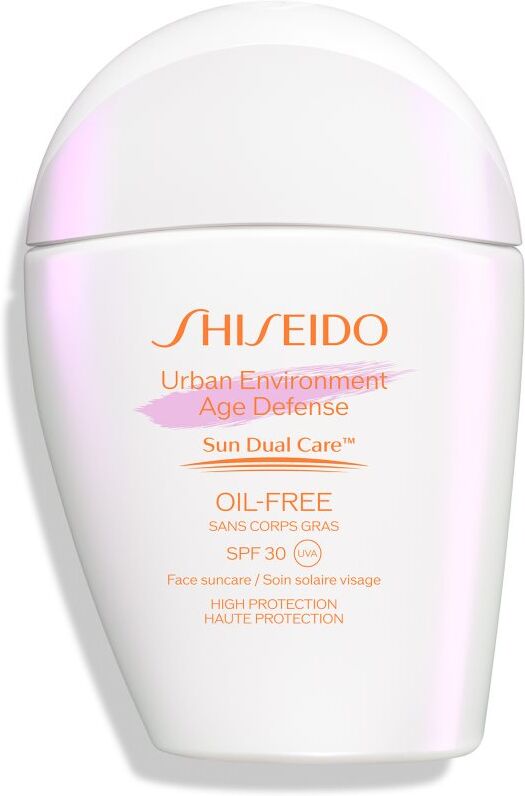
Shiseido Sun Care Urban Environment Age Defense crème solaire matifiante visage SPF 30 30 mlShiseido Sun Care Urban Environment Age Defense, 30 ml, Protection contre le rayonnement solaire pour femme, Protégez votre peau du vieillissement prématuré et des autres dégradations causées par le soleil. La peau délicate du visage est beaucoup plus sensible que celle du reste du corps. En outre, elle est exposée aux rayons du soleil toute l'année. C'est pourquoi il est important de ne pas sous-estimer sa protection. Le produit de bronzage Shiseido Sun Care Urban Environment Age Defense protège efficacement la peau de votre visage contre les rayons UV et vous aide ainsi à prévenir les coups de soleil ou l'apparition de taches pigmentaires et à diminuer l'élasticité de la peau, la perte de collagène et autres signes de l’âge. Le produit : protège la peau contre les rayons UVA et UVB hydrate et nourrit s’étale facilement et ne laisse pas de films gras agit préventivement contre le vieillissement de la peau Mode d’emploi : Agitez bien avant utilisation. Appliquez les solaires en quantités suffisantes. Appliquez sur la peau juste avant de vous exposer au soleil.20,50 €*Shipping: 3,45 €Secure redirect to the provider
-
Yon-Ka Juvenil Purifying Solution soin local anti-acné 15 mlYon-Ka Juvenil Purifying Solution, 15 ml, soin local pour femme, Vous sentez que certaines parties de votre visage nécessitent des soins ciblés plus intenses car les crèmes et sérums de votre routine ne suffisent pas ? Les soins locaux Yon-Ka Juvenil Purifying Solution prennent soin de ces zones à problèmes. Grâce à une formule concentrée à haute teneur en substances actives, leurs effets sur la peau seront plusieurs fois plus efficaces et plus rapides qu'avec des soins ordinaires. Le produit : réduit les imperfections de la peau minimise la production excessive de sébum cutané traite localement les peaux à problèmes réduit les rougeurs illumine et assouplit la surface de la peau Composition du produit : contient au minimum 95 % d'ingrédients naturels Mode d’emploi : Appliquez une quantité de soin suffisante sur les zones à problèmes et laissez agir.46,00 €*Shipping: 3,45 €Secure redirect to the provider
-
Synchroline Aknicare SR soin local anti-acné roll-on 5 mlSynchroline Aknicare SR, 5 ml, soin local pour femme, Vous sentez que certaines parties de votre visage nécessitent des soins ciblés plus intenses car les crèmes et sérums de votre routine ne suffisent pas ? Les soins locaux Synchroline Aknicare SR prennent soin de ces zones à problèmes. Grâce à une formule concentrée à haute teneur en substances actives, leurs effets sur la peau seront plusieurs fois plus efficaces et plus rapides qu'avec des soins ordinaires. Le produit : élimine les manifestations d’acné a des effets régénérateurs minimise la production excessive de sébum cutané Composition du produit : acide salicylique – nettoie en profondeur, nettoie les pores obstrués et prévient la formation des points noirs, aide à exfolier les peaux mortes et à éliminer l'excès de sébum Mode d’emploi : Appliquez une quantité de soin suffisante sur les zones à problèmes et laissez agir.14,50 €*Shipping: 3,45 €Secure redirect to the provider
-
Sesderma Silkses crème hydratante protectrice effet rénovateur pour traitement local 100 mlSesderma Silkses, 100 ml, soin local pour femme, Mode d’emploi : Appliquez sur la peau préalablement nettoyée et massez en faisant des mouvements circulaires. Utilisez matin et/ou soir.27,00 €*Shipping: 3,45 €Secure redirect to the provider
-
Is ammonia polyprotic or monoprotic?
Ammonia is a monoprotic base, meaning it can donate only one proton (H+) in a chemical reaction. This is because ammonia has only one nitrogen atom that can accept a proton to form the ammonium ion (NH4+). Therefore, ammonia is considered monoprotic. **
-
What are monoprotic and polyprotic acids?
Monoprotic acids are acids that can donate only one proton (hydrogen ion) per molecule when they dissociate in water. Examples include hydrochloric acid (HCl) and acetic acid (CH3COOH). Polyprotic acids, on the other hand, are acids that can donate more than one proton per molecule when they dissociate in water. Examples include sulfuric acid (H2SO4) and phosphoric acid (H3PO4). **
-
How do I recognize a mono- or polyprotic acid?
A monoprotic acid is an acid that can donate only one proton (hydrogen ion) per molecule, such as hydrochloric acid (HCl) or acetic acid (CH3COOH). On the other hand, a polyprotic acid is an acid that can donate more than one proton per molecule, such as sulfuric acid (H2SO4) or phosphoric acid (H3PO4). One way to recognize a polyprotic acid is by looking at the chemical formula and identifying the presence of multiple hydrogen atoms that can potentially be donated as protons. Additionally, the acid's name may also provide a clue, as polyprotic acids often have prefixes such as di- or tri- to indicate the number of protons that can be donated. **
-
Why is the second dissociation stage weaker in polyprotic acids?
The second dissociation stage is weaker in polyprotic acids because after the first proton is removed, the remaining ion has a higher negative charge, making it more difficult to remove the second proton. This increased negative charge leads to stronger electrostatic attraction between the remaining ion and the proton, making it harder for the second proton to dissociate. Additionally, the second dissociation occurs at a lower pH, where the concentration of H+ ions is lower, further reducing the likelihood of the second dissociation. Overall, these factors contribute to the weaker second dissociation stage in polyprotic acids. **
Similar search terms for Polyprotic
-
Sisley Intensive Dark Spot Corrector soin local anti-taches pigmentaires 7 mlSisley Intensive Dark Spot Corrector, 7 ml, Produits pour le buste et le décolleté pour femme, Vous sentez que votre visage a besoin de plus que ce que peut offrir une crème ? Le sérum pour le visage Sisley Intensive Dark Spot Corrector constitue un excellent complément à votre routine en lui procurant des soins intenses. Grâce à sa forte concentration en substances actives, ses effets sur la peau sont sensiblement plus visibles et plus rapides que ceux d'une crème pour le visage. De plus, sa texture liquide, très bien absorbée par la peau, facilite l’application. Le produit : unifie la teinte du visage aide à supprimer les signes de vieillissement cutané Mode d’emploi : Tapotez du bout des doigts pour faire pénétrer le sérum dans la peau propre. Appliquez sur le visage, le cou et le décolleté.130,00 €*Shipping: 3,45 €Secure redirect to the provider
-
Rio Carbon Theory Salicylic Acid Hypa Dry soin local anti-acné 30 mlCarbon Theory Salicylic Acid Hypa Dry, 30 ml, soin local pour femme, Vous sentez que certaines parties de votre visage nécessitent des soins ciblés plus intenses car les crèmes et sérums de votre routine ne suffisent pas ? Les soins locaux Carbon Theory Salicylic Acid Hypa Dry prennent soin de ces zones à problèmes. Grâce à une formule concentrée à haute teneur en substances actives, leurs effets sur la peau seront plusieurs fois plus efficaces et plus rapides qu'avec des soins ordinaires. Le produit : traite localement les peaux à problèmes améliore visiblement l’état de la peau réduit les rougeurs limite les symptômes liés à d’acné réduit les imperfections de la peau Composition du produit : produit végétalien Mode d’emploi : Appliquez une quantité de soin suffisante sur les zones à problèmes et laissez agir.11,60 €*Shipping: 3,45 €Secure redirect to the provider
-
Lobey Body Care Back Acne Spray soin local anti-acné corps 150 mlLobey Body Care Back Acne Spray, 150 ml, Sprays corporels nourrissants pour femme, Le produit : accélère la régénération rafraîchit et apporte une agréable sensation de propreté sent bon protège la peau du corps Mode d’emploi : Vaporisez directement sur la peau.16,50 €*Shipping: 3,45 €Secure redirect to the provider
-
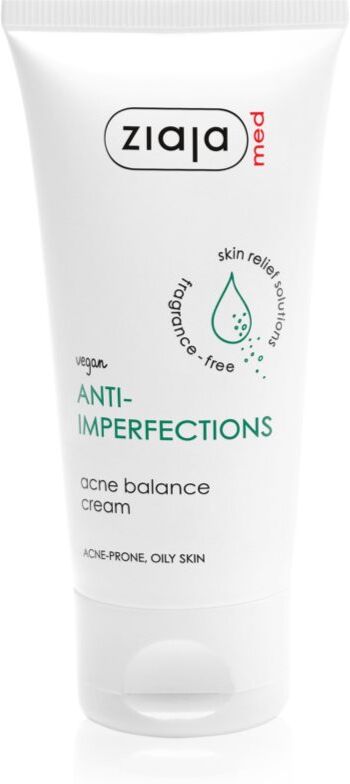
Ziaja Med Anti-Imperfections soin local anti-acné visage et corps 50 mlZiaja Med Anti-Imperfections, 50 ml, Crèmes pour le visage pour femme, Vous ne voulez pas sous-estimer les soins du visage ? Utilisez une crème pour le visage tous les jours. Elle constitue la base de tout soin de la peau, sans laquelle une routine régulière ne pourrait se passer, quel que soit le type de peaux et ses besoins. La crème pour le visage Ziaja Med Anti-Imperfections favorise les fonctions naturelles de la peau, préserve son équilibre, lui procure toute l’hydratation dont elle a besoin et lui procure une mine globalement plus saine. Le produit : agit contre les imperfections nourrit en profondeur redonne l’apparence d’une peau jeune rétracte les pores dilatés Mode d’emploi : Appliquez sur la peau préalablement nettoyée et massez en faisant des mouvements circulaires. Appliquez sur le visage, le cou et le décolleté.5,70 €*Shipping: 3,45 €Secure redirect to the provider
-
How can I tell if an acid is monoprotic or polyprotic?
You can determine if an acid is monoprotic or polyprotic by looking at its chemical formula. If the formula contains only one hydrogen ion (H+), then the acid is monoprotic. However, if the formula contains more than one hydrogen ion, then the acid is polyprotic. Additionally, you can also look at the acid's chemical structure and its ability to donate multiple hydrogen ions to determine if it is polyprotic. **
-
Can someone explain the meaning of monoprotic and polyprotic to me?
Sure! Monoprotic and polyprotic refer to the number of protons that can be donated by an acid. Monoprotic acids can donate one proton, while polyprotic acids can donate more than one proton. For example, hydrochloric acid (HCl) is monoprotic because it can donate one proton, while sulfuric acid (H2SO4) is polyprotic because it can donate two protons. This distinction is important in understanding the behavior and properties of different acids in chemical reactions. **
-
How can the concentration of a polyprotic acid be determined by titration?
The concentration of a polyprotic acid can be determined by titration using a strong base. Since polyprotic acids can donate multiple protons, the titration curve will have multiple equivalence points, corresponding to the different dissociation steps of the acid. By monitoring the pH during the titration, the inflection points on the curve can be used to calculate the concentration of the acid. The volume of the base required to reach each equivalence point can also be used to determine the molar concentration of the acid. **
-
How do you calculate the concentration of a polyprotic acid through titration?
To calculate the concentration of a polyprotic acid through titration, you would first need to determine the equivalence point of the titration by using an indicator or a pH meter. Then, you would use the volume of titrant (such as a strong base) needed to reach the equivalence point and the known molarity of the titrant to calculate the moles of acid present. Since polyprotic acids can donate multiple protons, you would need to consider the number of moles of protons donated by the acid and the stoichiometry of the acid-base reaction to calculate the concentration of the polyprotic acid. **
* All prices are inclusive of VAT and, if applicable, plus shipping costs. The offer information is based on the details provided by the respective shop and is updated through automated processes. Real-time updates do not occur, so deviations can occur in individual cases. ** Note: Parts of this content were created by AI.