Buy eenhartvoorhingene.be ?
We are moving the project
eenhartvoorhingene.be .
Are you interested in purchasing the domain
eenhartvoorhingene.be ?
domain@kv-gmbh.de · 0541-91531010
Buy eenhartvoorhingene.be ?
Why is Rutherford's scattering experiment called a scattering experiment at all?
Rutherford's experiment is called a scattering experiment because it involved firing alpha particles at a thin gold foil and observing how they scattered after hitting the foil. The term "scattering" refers to the process of particles being deflected from their original path as a result of collisions with the atoms in the foil. By analyzing the pattern of scattering, Rutherford was able to deduce the structure of the atom and propose the existence of a dense, positively charged nucleus at its center. This experiment was crucial in advancing our understanding of atomic structure and the behavior of subatomic particles. **
What was Rutherford's scattering experiment?
Rutherford's scattering experiment involved firing alpha particles at a thin gold foil and observing their deflection. The experiment aimed to study the structure of the atom and determine how the positive charge is distributed within it. The unexpected results of the experiment led Rutherford to propose the nuclear model of the atom, where he suggested that atoms have a small, dense, positively charged nucleus at their center. This experiment was crucial in advancing our understanding of atomic structure. **


Similar search terms for Scattering
Top-Angebote
Products related to Scattering:
-
Lobey Body Care Back Acne Spray soin local anti-acné corps 150 mlLobey Body Care Back Acne Spray, 150 ml, Sprays corporels nourrissants pour femme, Le produit : accélère la régénération rafraîchit et apporte une agréable sensation de propreté sent bon protège la peau du corps Mode d’emploi : Vaporisez directement sur la peau.16,50 €*Shipping: 3,45 €Secure redirect to the provider
-
Rio Carbon Theory Salicylic Acid Hypa Dry soin local anti-acné 30 mlCarbon Theory Salicylic Acid Hypa Dry, 30 ml, soin local pour femme, Vous sentez que certaines parties de votre visage nécessitent des soins ciblés plus intenses car les crèmes et sérums de votre routine ne suffisent pas ? Les soins locaux Carbon Theory Salicylic Acid Hypa Dry prennent soin de ces zones à problèmes. Grâce à une formule concentrée à haute teneur en substances actives, leurs effets sur la peau seront plusieurs fois plus efficaces et plus rapides qu'avec des soins ordinaires. Le produit : traite localement les peaux à problèmes améliore visiblement l’état de la peau réduit les rougeurs limite les symptômes liés à d’acné réduit les imperfections de la peau Composition du produit : produit végétalien Mode d’emploi : Appliquez une quantité de soin suffisante sur les zones à problèmes et laissez agir.9,81 €*Shipping: 3,45 €Secure redirect to the provider
-
vidaXL Support à haltèresCe porte-haltères est conçu pour garder les poids libres et les haltères organisés et hors sol. Il convient à la plupart des tailles et des styles d'haltères, y compris le néoprène et la fonte. Le cadre stable et les deux étagères vous aideront à maintenir un environnement de gym à domicile plus propre en fournissant un endroit pour garder vos haltères lorsqu'ils ne sont pas utilisés. Il est fait d'acier robuste pour des années d'utilisation. La base antidérapante en caoutchouc aide à protéger les sols des dommages et assure la stabilité et la sécurité optimale. Ce support avec sa construction robuste a une capacité max de charge de 300 kg. Il convient aussi à presque toutes les longueurs de haltère . Il mesure 49 x 100 x 95 cm une fois entièrement assemblé.137,99 €*Shipping: 0,00 €Secure redirect to the provider
-
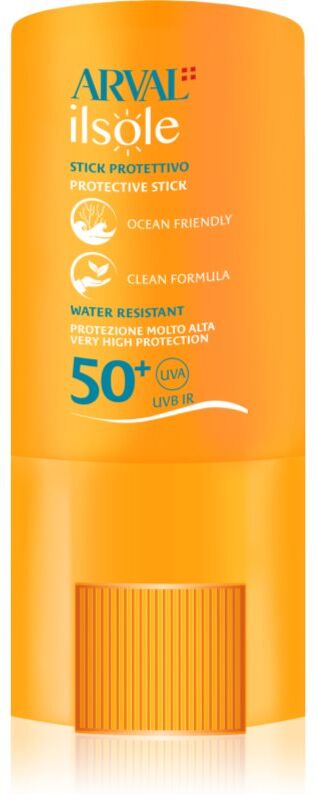
Arval IlSole Protective Stick SPF 50+ soin local protection solaire SPF 50+ 9 mlArval IlSole Protective Stick SPF 50+, 9 ml, Protection contre le rayonnement solaire pour femme, Le produit : protège la peau contre les rayons UVA et UVB résiste à l’eau12,50 €*Shipping: 3,45 €Secure redirect to the provider


-
What is the Rutherford scattering experiment?
The Rutherford scattering experiment was conducted by physicist Ernest Rutherford in 1909. In this experiment, Rutherford bombarded a thin gold foil with alpha particles and observed their scattering patterns. The unexpected results of the experiment led to the discovery of the atomic nucleus and the development of the nuclear model of the atom. The experiment showed that most of the alpha particles passed through the foil, but some were deflected at large angles, indicating the presence of a small, dense nucleus within the atom. This experiment revolutionized our understanding of the structure of the atom. **
-
What is the Rutherford scattering with copper?
Rutherford scattering with copper refers to the experiment conducted by Ernest Rutherford in which he bombarded a thin gold foil with alpha particles. The experiment led to the discovery that atoms have a small, dense nucleus at their center, which was a groundbreaking finding in the field of nuclear physics. The use of copper in the experiment is not common, as gold was the metal foil typically used due to its malleability and ability to be made very thin. **
-
What is the difference between reflection and scattering?
Reflection occurs when light bounces off a surface at the same angle it hits it, resulting in a clear image. Scattering, on the other hand, occurs when light is dispersed in different directions by particles or irregularities in a medium, resulting in a diffuse or hazy appearance. In reflection, the light maintains its original intensity and color, while in scattering, the light may lose intensity and change color due to the interaction with the medium. **
-
What causes the photoelectric effect: absorption or scattering?
The photoelectric effect is caused by absorption of photons by electrons in a material, rather than scattering. When a photon with sufficient energy is absorbed by an electron in a material, it can transfer enough energy to the electron to liberate it from the material, causing the photoelectric effect. Scattering, on the other hand, involves the redirection of photons by particles in a material, but it does not result in the ejection of electrons from the material. **


Can you explain the Rutherford scattering experiment atomic model?
The Rutherford scattering experiment was conducted by physicist Ernest Rutherford in 1909. In this experiment, Rutherford bombarded a thin gold foil with alpha particles and observed their scattering patterns. According to the prevailing atomic model at the time, the plum pudding model, it was expected that the alpha particles would pass through the foil with minimal deflection. However, Rutherford's observations showed that some alpha particles were deflected at large angles, and even some were reflected back. This led to the development of the nuclear model of the atom, in which the atom is mostly empty space with a small, dense nucleus at the center. This experiment provided evidence for the existence of a positively charged nucleus within the atom, leading to a significant shift in our understanding of atomic structure. **
Why is the Rutherford experiment called the scattering experiment?
The Rutherford experiment is called the scattering experiment because it involved firing alpha particles at a thin gold foil and observing how they scattered after hitting the foil. This scattering of alpha particles provided crucial evidence for the existence of a small, dense nucleus within the atom, as most of the alpha particles passed through the foil with little deflection, but a small fraction were scattered at large angles. This unexpected scattering pattern led to the development of the nuclear model of the atom and revolutionized our understanding of atomic structure. **
Top-Angebote
Products related to Scattering:
-
Synchroline Aknicare SR soin local anti-acné roll-on 5 mlSynchroline Aknicare SR, 5 ml, soin local pour femme, Vous sentez que certaines parties de votre visage nécessitent des soins ciblés plus intenses car les crèmes et sérums de votre routine ne suffisent pas ? Les soins locaux Synchroline Aknicare SR prennent soin de ces zones à problèmes. Grâce à une formule concentrée à haute teneur en substances actives, leurs effets sur la peau seront plusieurs fois plus efficaces et plus rapides qu'avec des soins ordinaires. Le produit : élimine les manifestations d’acné a des effets régénérateurs minimise la production excessive de sébum cutané Composition du produit : acide salicylique – nettoie en profondeur, nettoie les pores obstrués et prévient la formation des points noirs, aide à exfolier les peaux mortes et à éliminer l'excès de sébum Mode d’emploi : Appliquez une quantité de soin suffisante sur les zones à problèmes et laissez agir.14,50 €*Shipping: 3,45 €Secure redirect to the provider
-
Lobey Body Care Back Acne Spray soin local anti-acné corps 150 mlLobey Body Care Back Acne Spray, 150 ml, Sprays corporels nourrissants pour femme, Le produit : accélère la régénération rafraîchit et apporte une agréable sensation de propreté sent bon protège la peau du corps Mode d’emploi : Vaporisez directement sur la peau.16,50 €*Shipping: 3,45 €Secure redirect to the provider
-
Rio Carbon Theory Salicylic Acid Hypa Dry soin local anti-acné 30 mlCarbon Theory Salicylic Acid Hypa Dry, 30 ml, soin local pour femme, Vous sentez que certaines parties de votre visage nécessitent des soins ciblés plus intenses car les crèmes et sérums de votre routine ne suffisent pas ? Les soins locaux Carbon Theory Salicylic Acid Hypa Dry prennent soin de ces zones à problèmes. Grâce à une formule concentrée à haute teneur en substances actives, leurs effets sur la peau seront plusieurs fois plus efficaces et plus rapides qu'avec des soins ordinaires. Le produit : traite localement les peaux à problèmes améliore visiblement l’état de la peau réduit les rougeurs limite les symptômes liés à d’acné réduit les imperfections de la peau Composition du produit : produit végétalien Mode d’emploi : Appliquez une quantité de soin suffisante sur les zones à problèmes et laissez agir.9,81 €*Shipping: 3,45 €Secure redirect to the provider
-
Why is Rutherford's scattering experiment called a scattering experiment at all?
Rutherford's experiment is called a scattering experiment because it involved firing alpha particles at a thin gold foil and observing how they scattered after hitting the foil. The term "scattering" refers to the process of particles being deflected from their original path as a result of collisions with the atoms in the foil. By analyzing the pattern of scattering, Rutherford was able to deduce the structure of the atom and propose the existence of a dense, positively charged nucleus at its center. This experiment was crucial in advancing our understanding of atomic structure and the behavior of subatomic particles. **
-
What was Rutherford's scattering experiment?
Rutherford's scattering experiment involved firing alpha particles at a thin gold foil and observing their deflection. The experiment aimed to study the structure of the atom and determine how the positive charge is distributed within it. The unexpected results of the experiment led Rutherford to propose the nuclear model of the atom, where he suggested that atoms have a small, dense, positively charged nucleus at their center. This experiment was crucial in advancing our understanding of atomic structure. **
-
What is the Rutherford scattering experiment?
The Rutherford scattering experiment was conducted by physicist Ernest Rutherford in 1909. In this experiment, Rutherford bombarded a thin gold foil with alpha particles and observed their scattering patterns. The unexpected results of the experiment led to the discovery of the atomic nucleus and the development of the nuclear model of the atom. The experiment showed that most of the alpha particles passed through the foil, but some were deflected at large angles, indicating the presence of a small, dense nucleus within the atom. This experiment revolutionized our understanding of the structure of the atom. **
-
What is the Rutherford scattering with copper?
Rutherford scattering with copper refers to the experiment conducted by Ernest Rutherford in which he bombarded a thin gold foil with alpha particles. The experiment led to the discovery that atoms have a small, dense nucleus at their center, which was a groundbreaking finding in the field of nuclear physics. The use of copper in the experiment is not common, as gold was the metal foil typically used due to its malleability and ability to be made very thin. **
Similar search terms for Scattering
-
vidaXL Support à haltèresCe porte-haltères est conçu pour garder les poids libres et les haltères organisés et hors sol. Il convient à la plupart des tailles et des styles d'haltères, y compris le néoprène et la fonte. Le cadre stable et les deux étagères vous aideront à maintenir un environnement de gym à domicile plus propre en fournissant un endroit pour garder vos haltères lorsqu'ils ne sont pas utilisés. Il est fait d'acier robuste pour des années d'utilisation. La base antidérapante en caoutchouc aide à protéger les sols des dommages et assure la stabilité et la sécurité optimale. Ce support avec sa construction robuste a une capacité max de charge de 300 kg. Il convient aussi à presque toutes les longueurs de haltère . Il mesure 49 x 100 x 95 cm une fois entièrement assemblé.137,99 €*Shipping: 0,00 €Secure redirect to the provider
-
Arval IlSole Protective Stick SPF 50+ soin local protection solaire SPF 50+ 9 mlArval IlSole Protective Stick SPF 50+, 9 ml, Protection contre le rayonnement solaire pour femme, Le produit : protège la peau contre les rayons UVA et UVB résiste à l’eau12,50 €*Shipping: 3,45 €Secure redirect to the provider
-
Green Idea Tea Tree Oil huile essentielle 100% pure pour traitement local 10 mlGreen Idea Tea Tree Oil, 10 ml, Huiles essentielles pour femme, Vous sentez que votre visage a besoin de plus que ce que peut offrir une crème ? L'huile pour le visage Green Idea Tea Tree Oil constitue un excellent complément à votre routine de soins. Elle apporte à la peau une bonne dose de nutriments, tout en l’adoucissant. Le produit : embellit et lisse les imperfections s’absorbe rapidement et ne laisse pas la sensation de gras Mode d’emploi : Utilisez à tout moment de la journée selon les besoins. Appliquez une petite quantité de produit sur la zone touchée et attendez que le produit soit absorbé.4,65 €*Shipping: 3,45 €Secure redirect to the provider
-
AM.PM Support pour bûche MERLINComme un objet de décoration, le support bûche Merlin apporte de la hauteur et du cachet à votre bûche.Description • Fer finition peinture poudre époxy polyester coloris noir mat • À savoir, le support de bûche en taille S est adapté pour les bûches tailles S et M • Le support de bûche taille L correspond bien à une bûche taille L • La bûche est vendue séparément sur notre site Dimensions Taille S • Largeur : 28 cm • Hauteur : 26 cm • Profondeur : 28 cm Taille L • Largeur : 33 cm • Hauteur : 30 cm • Profondeur : 33 cm Hauteur pied : 8 cm Fiche produit relative aux qualités et caractéristiques environnementales • Produit totalement recyclable. Dimensions et poids des colis 1 colis S • L40 x H34 x P37 cm, 3,5 kg L • L45 x H38 x P42 cm, 4,3 kg41,30 €*Shipping: 3,99 €Secure redirect to the provider
-
What is the difference between reflection and scattering?
Reflection occurs when light bounces off a surface at the same angle it hits it, resulting in a clear image. Scattering, on the other hand, occurs when light is dispersed in different directions by particles or irregularities in a medium, resulting in a diffuse or hazy appearance. In reflection, the light maintains its original intensity and color, while in scattering, the light may lose intensity and change color due to the interaction with the medium. **
-
What causes the photoelectric effect: absorption or scattering?
The photoelectric effect is caused by absorption of photons by electrons in a material, rather than scattering. When a photon with sufficient energy is absorbed by an electron in a material, it can transfer enough energy to the electron to liberate it from the material, causing the photoelectric effect. Scattering, on the other hand, involves the redirection of photons by particles in a material, but it does not result in the ejection of electrons from the material. **
-
Can you explain the Rutherford scattering experiment atomic model?
The Rutherford scattering experiment was conducted by physicist Ernest Rutherford in 1909. In this experiment, Rutherford bombarded a thin gold foil with alpha particles and observed their scattering patterns. According to the prevailing atomic model at the time, the plum pudding model, it was expected that the alpha particles would pass through the foil with minimal deflection. However, Rutherford's observations showed that some alpha particles were deflected at large angles, and even some were reflected back. This led to the development of the nuclear model of the atom, in which the atom is mostly empty space with a small, dense nucleus at the center. This experiment provided evidence for the existence of a positively charged nucleus within the atom, leading to a significant shift in our understanding of atomic structure. **
-
Why is the Rutherford experiment called the scattering experiment?
The Rutherford experiment is called the scattering experiment because it involved firing alpha particles at a thin gold foil and observing how they scattered after hitting the foil. This scattering of alpha particles provided crucial evidence for the existence of a small, dense nucleus within the atom, as most of the alpha particles passed through the foil with little deflection, but a small fraction were scattered at large angles. This unexpected scattering pattern led to the development of the nuclear model of the atom and revolutionized our understanding of atomic structure. **
* All prices are inclusive of VAT and, if applicable, plus shipping costs. The offer information is based on the details provided by the respective shop and is updated through automated processes. Real-time updates do not occur, so deviations can occur in individual cases. ** Note: Parts of this content were created by AI.